 A1 Car Rental
Addis Ababa means "new flower" in Amharic, and the name is a reminder that the city is young. Rome, Cairo and Axum were old when Addis was a meadow. In 140 years it has grown from a royal camp into the diplomatic capital of a continent, and most of that story is visible from a car window on a single afternoon. Here it is, in six stops.
1. Entoto: the camp on the hill (1880s)
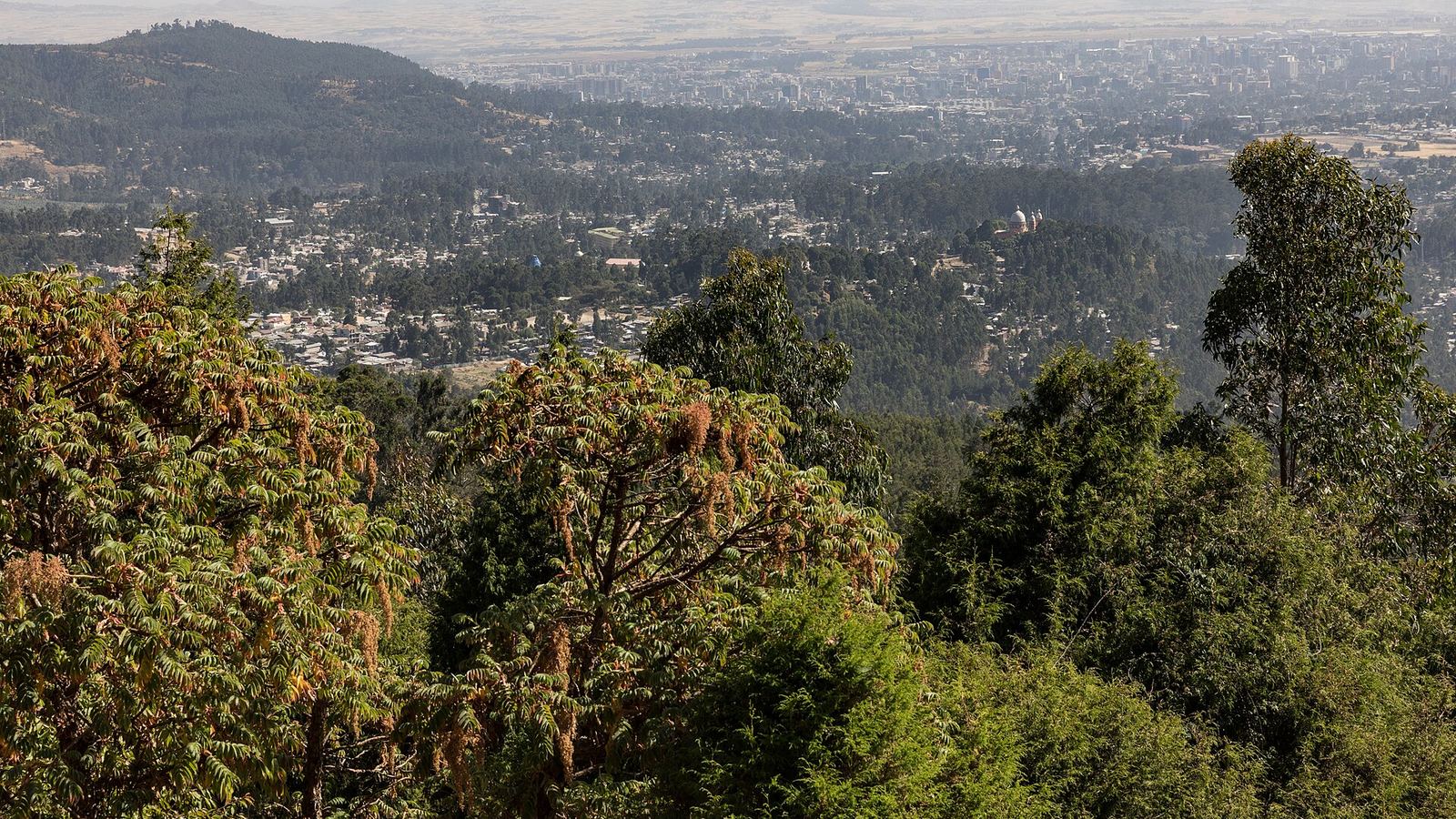
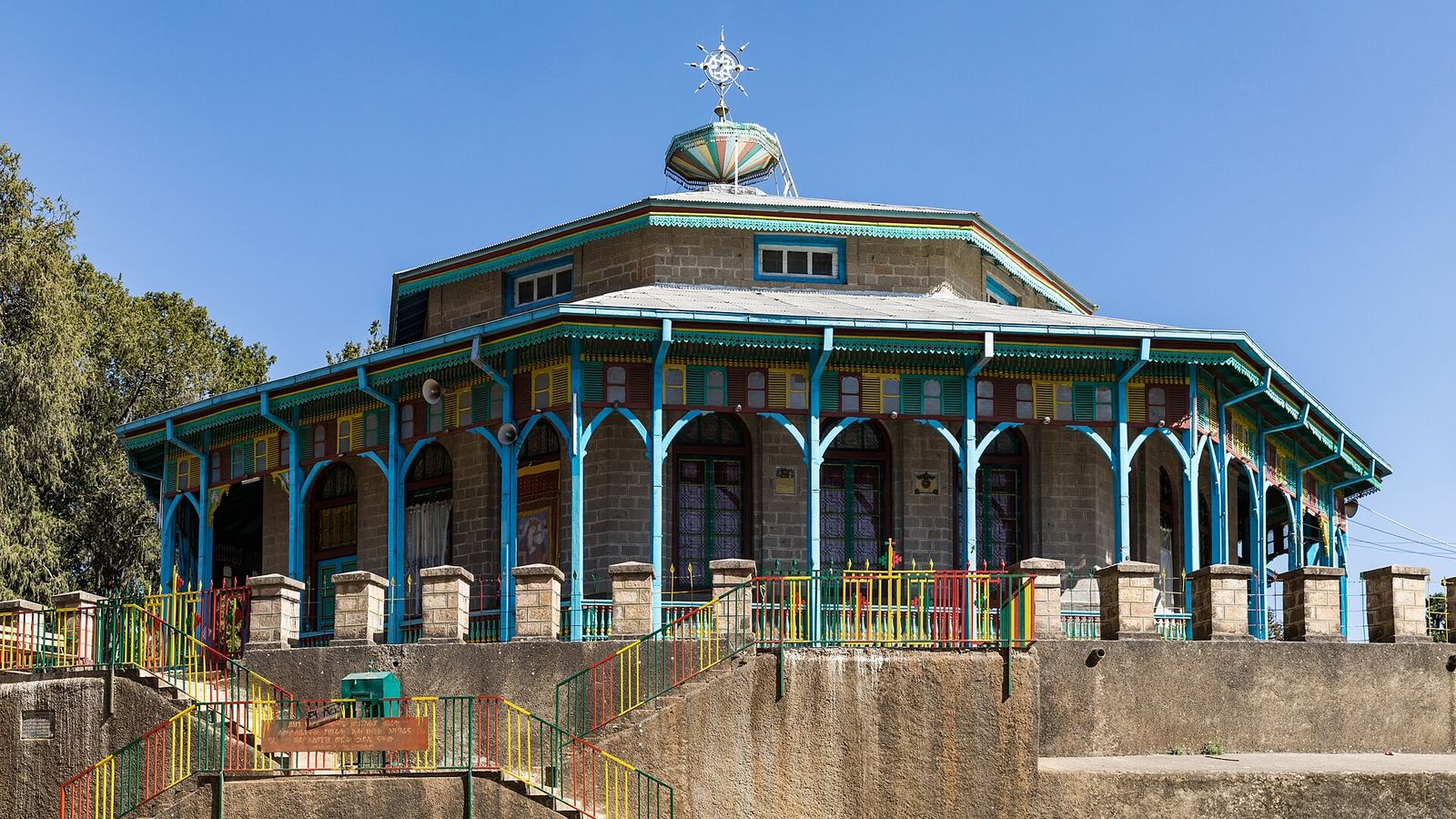
Emperor Menelik II, then king of Shewa, kept his capital on the cold, windy ridge of Entoto, 3,000 m above sea level, because it was easy to defend. From the ridge you can still see the whole city, and the two churches he built there, Entoto Maryam (where he was crowned emperor in 1889) and Entoto Raguel, still stand among the eucalyptus. Today Entoto is also home to Entoto Park, opened in 2020, with cycling tracks, restaurants and a zip line.
2. Filwoha: the empress chooses the valley (1886)
The move downhill is credited to Empress Taytu Betul. She was fond of the hot springs at Filwoha in the valley below Entoto, had a house built there in 1886, and the court followed. That date is taken as the founding of the city. The springs still flow next to the Hilton, and the name Filwoha, "boiling water", is still on the map.
Addis Ababa is a city that was never planned. It grew around a palace, a church and a market, and it is still growing the same way.
A1 Car Rental team
3. The tree that saved the capital (1890s)
A young city burns a lot of firewood, and by the mid-1890s the hills around Addis were bare. There was serious talk of moving the capital again, to a site called Addis Alem, 50 km west. Instead, Menelik imported eucalyptus seedlings from Australia. The trees grew fast, tolerated the altitude and gave the city its fuel and its smell. Those blue-green forests you see on every ridge are not native; they are the reason Addis stayed where it is.
4. Adwa, railways and the first modern decade (1896 to 1917)
In March 1896 Ethiopian forces defeated an invading Italian army at Adwa, in the far north, and the victory made Menelik's capital a place that European powers had to take seriously. Legations arrived, then the telephone, the first bank, the first hotel (the Taitu Hotel, founded by the empress in 1898 and still open in Piassa) and, in 1917, the railway from Djibouti, which ended at La Gare, the station you can still visit at the bottom of Churchill Avenue. The Adwa Victory Memorial, opened in Piassa in 2024, tells the whole story in a modern museum.
5. Occupation, Haile Selassie and the capital of Africa (1936 to 1974)
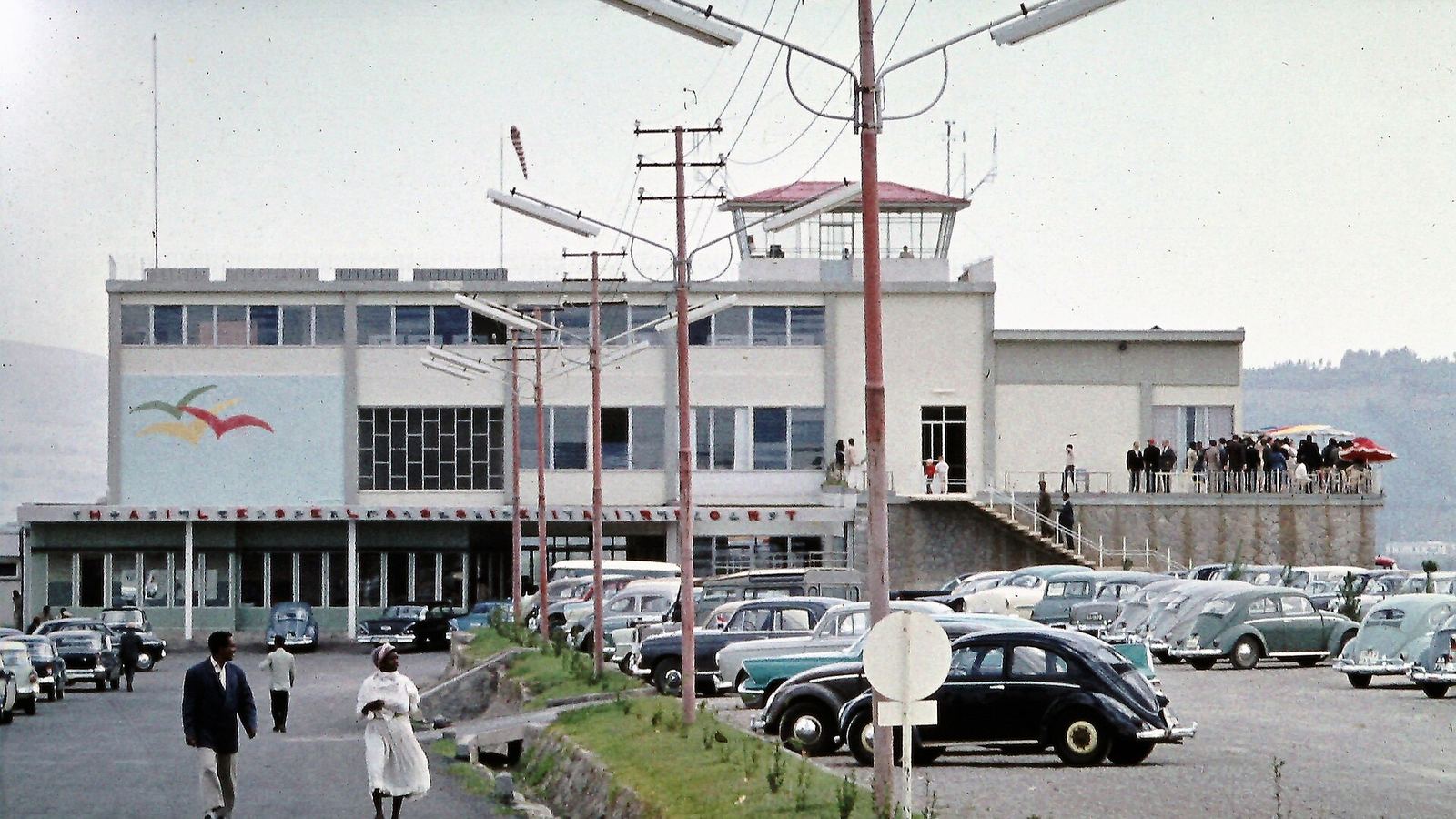
Italy occupied the city from 1936 to 1941 and left a legacy of Piassa's arcades, the Mercato (built to move trade away from the centre) and a taste for macchiato. After liberation, Emperor Haile Selassie rebuilt Addis as an international city. The United Nations Economic Commission for Africa opened its headquarters here in 1958, and in May 1963 the Organisation of African Unity was founded in Addis Ababa, making it the political capital of the continent. The African Union succeeded the OAU in 2002, and its 2012 headquarters tower is still one of the tallest buildings in the city.
6. The city of five million (1991 to today)
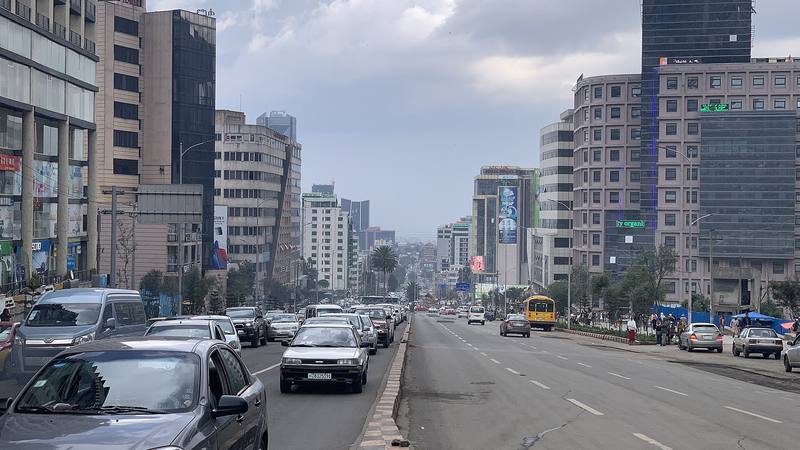
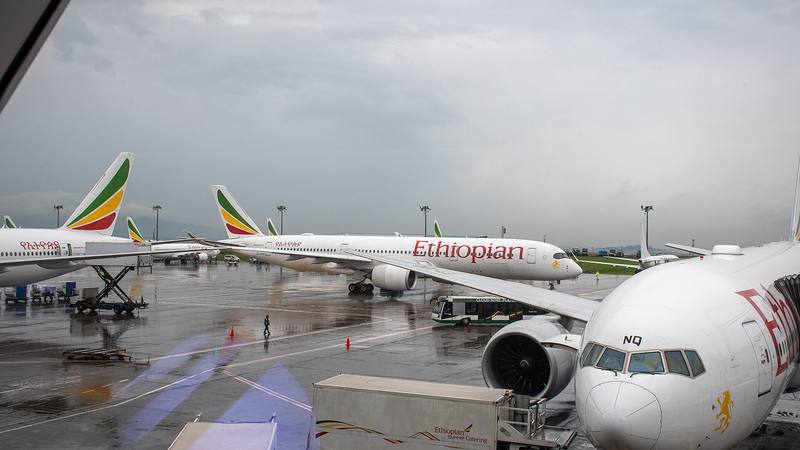
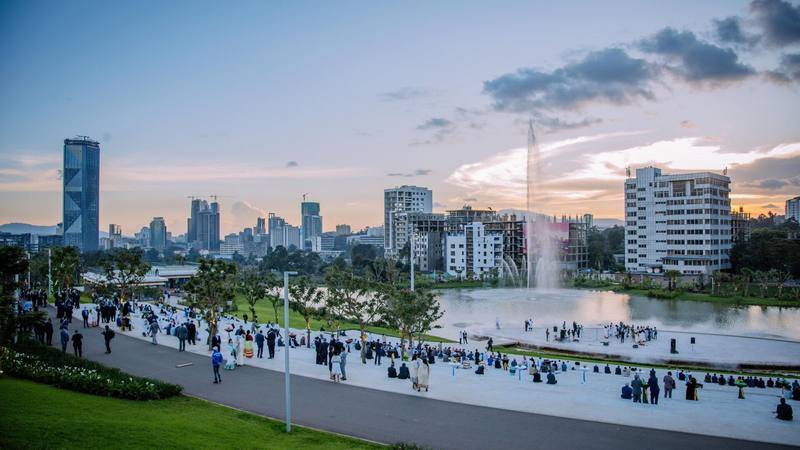
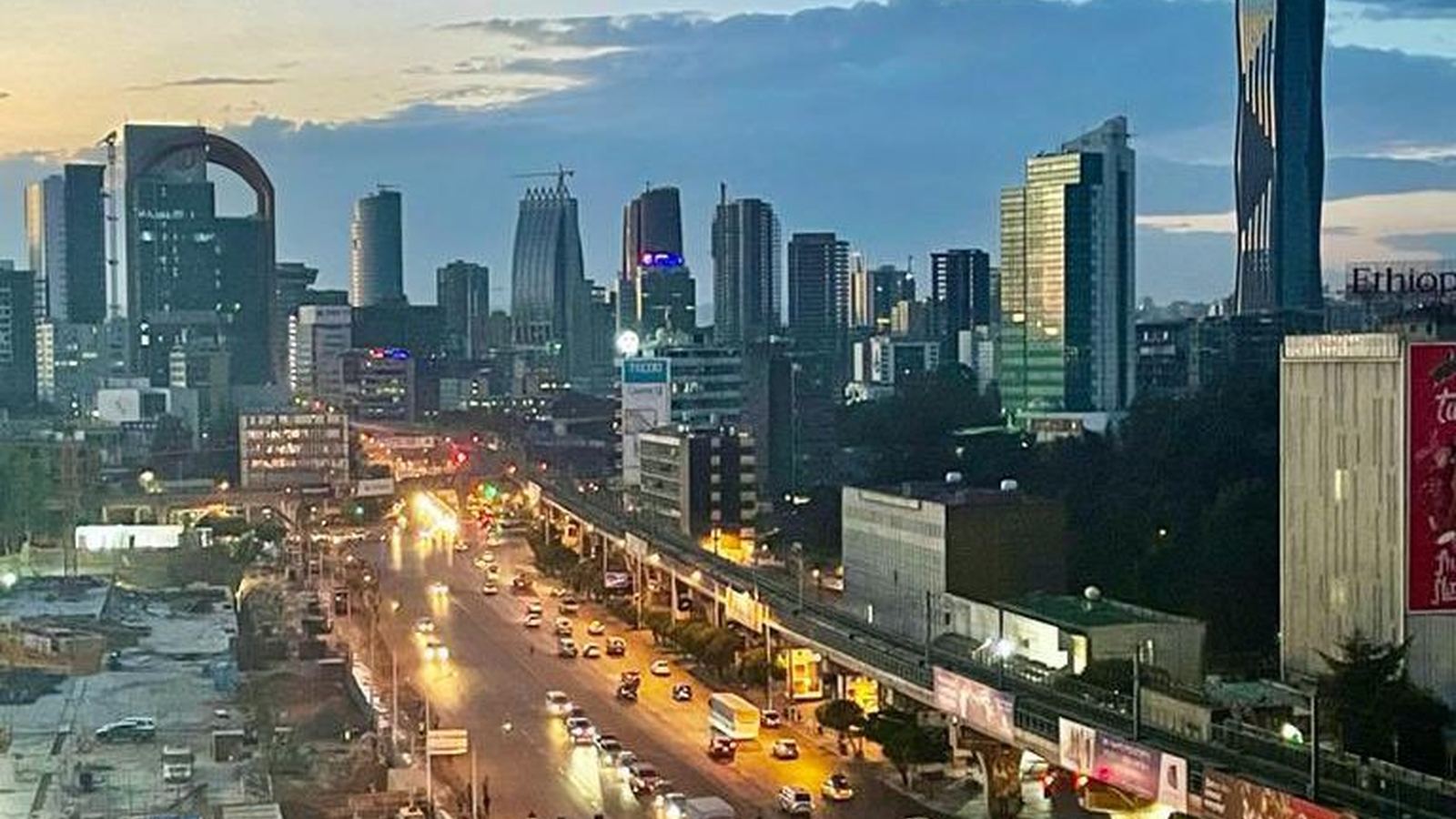
Since the 1990s Addis has multiplied in size: a ring road, the first light rail in sub-Saharan Africa (2015), a new airport terminal (2019), and since 2024 the Corridor Development Project, which has rebuilt the main avenues with wide pavements and cycle lanes. Menelik's palace grounds became Unity Park in 2019, Meskel Square was rebuilt with an underground car park in 2021, and the Science Museum and Friendship Park filled in the centre. The city hosted more than 220 international conferences in the last fiscal year. It is still, as it has always been, a work in progress.
A half-day history drive
With a car and driver you can see all six chapters in an afternoon. Start at Entoto Maryam at 9:00 for the view and the cool air, drive down past the eucalyptus to Piassa for the Taitu Hotel and the Adwa Memorial (allow 90 minutes), continue down Churchill Avenue to La Gare, then east through Meskel Square to Unity Park (book tickets online; two hours is enough). Finish with a macchiato on Bole Road. We can quote the whole day with a driver who knows the stories; ask for the history route when you book.
Sources and further reading
- Richard Pankhurst, History of Ethiopian Towns, Franz Steiner Verlag, 1985.
- Bahru Zewde, A History of Modern Ethiopia, 1855 to 1991, Ohio University Press, 2001.
- United Nations Economic Commission for Africa and African Union, official histories.
- Addis Ababa City Administration, Corridor Development Project (2024 to 2026).
- A1 blog: Day trips from Addis Ababa by car.