 A1 Car Rental
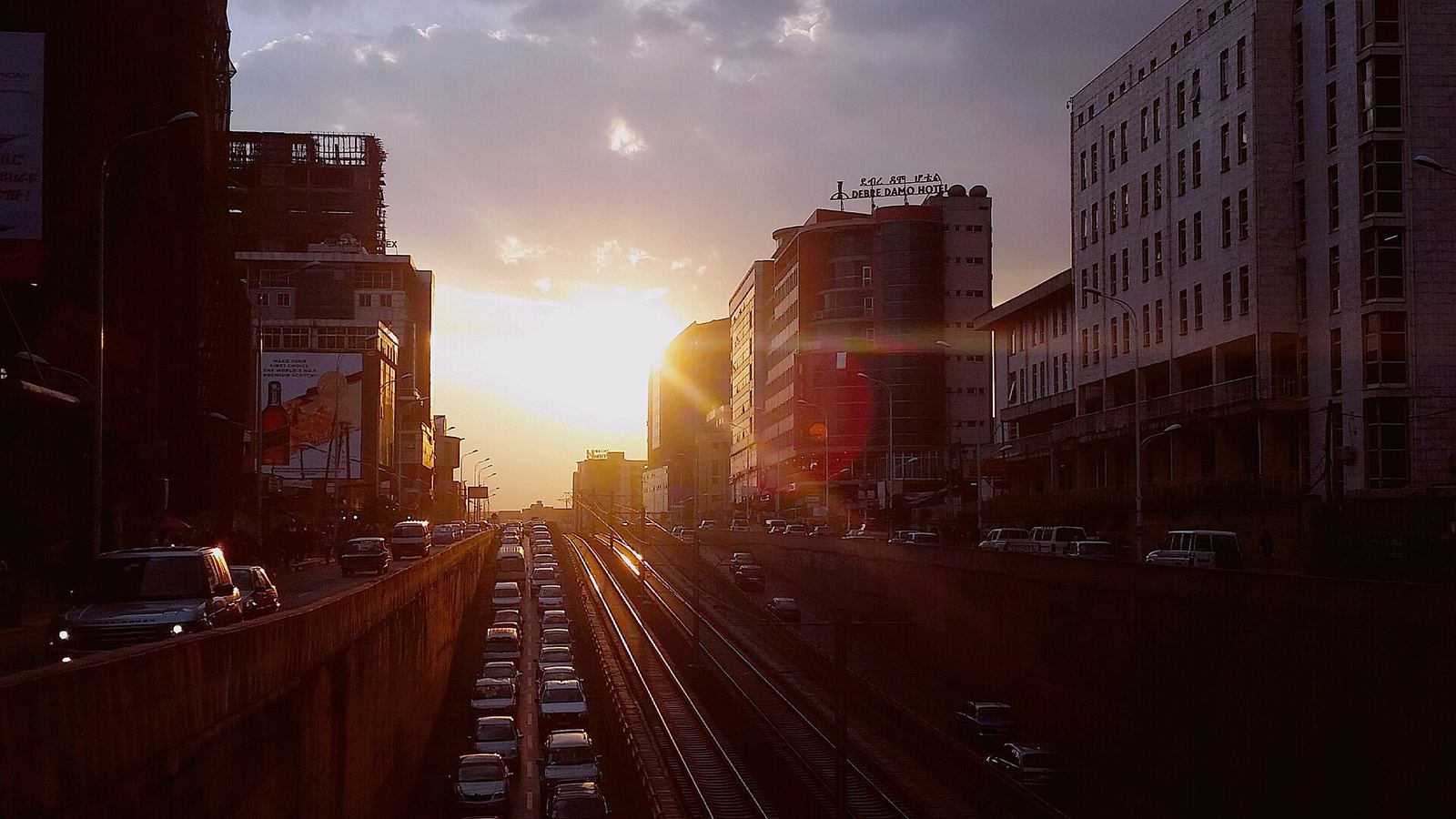
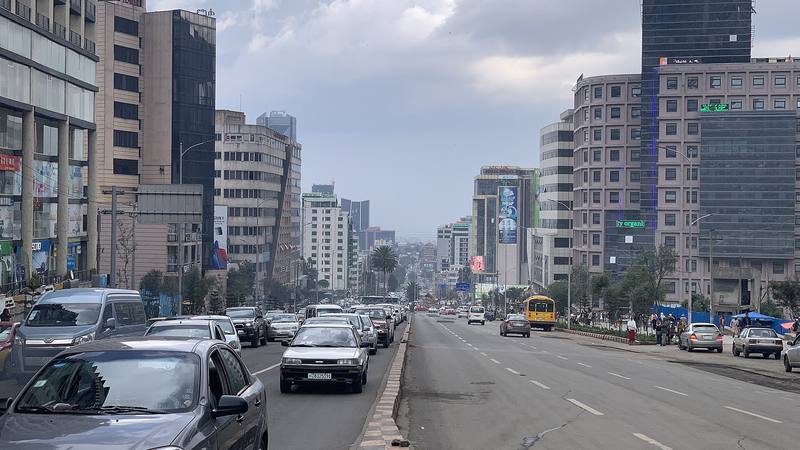
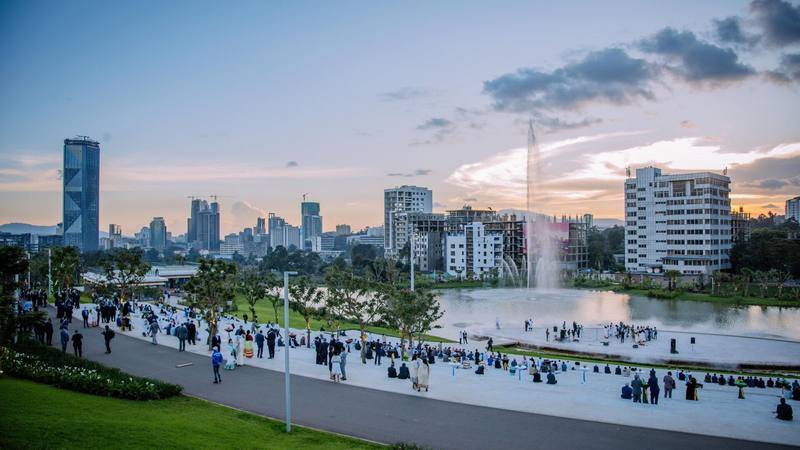
Addis Ababa is a big, busy, high-altitude city of more than five million people, and it has changed more in the last three years than in the previous twenty. Whole avenues have been rebuilt under the Corridor Development Project, with wide pavements, cycle lanes, new lighting and, in places, new one-way systems. Driving here is very doable once you know the rhythm. This guide covers what matters for a visitor who rents a car and drives it.
Licence and documents
A valid driving licence from your home country is accepted for short visits, and an International Driving Permit is strongly recommended as a translation. Keep your licence, a copy of your passport and the rental agreement in the car. Police checkpoints are routine and polite, and they usually only want to see documents and the car's insurance sticker, which is on the windscreen of every A1 car.
How traffic actually works
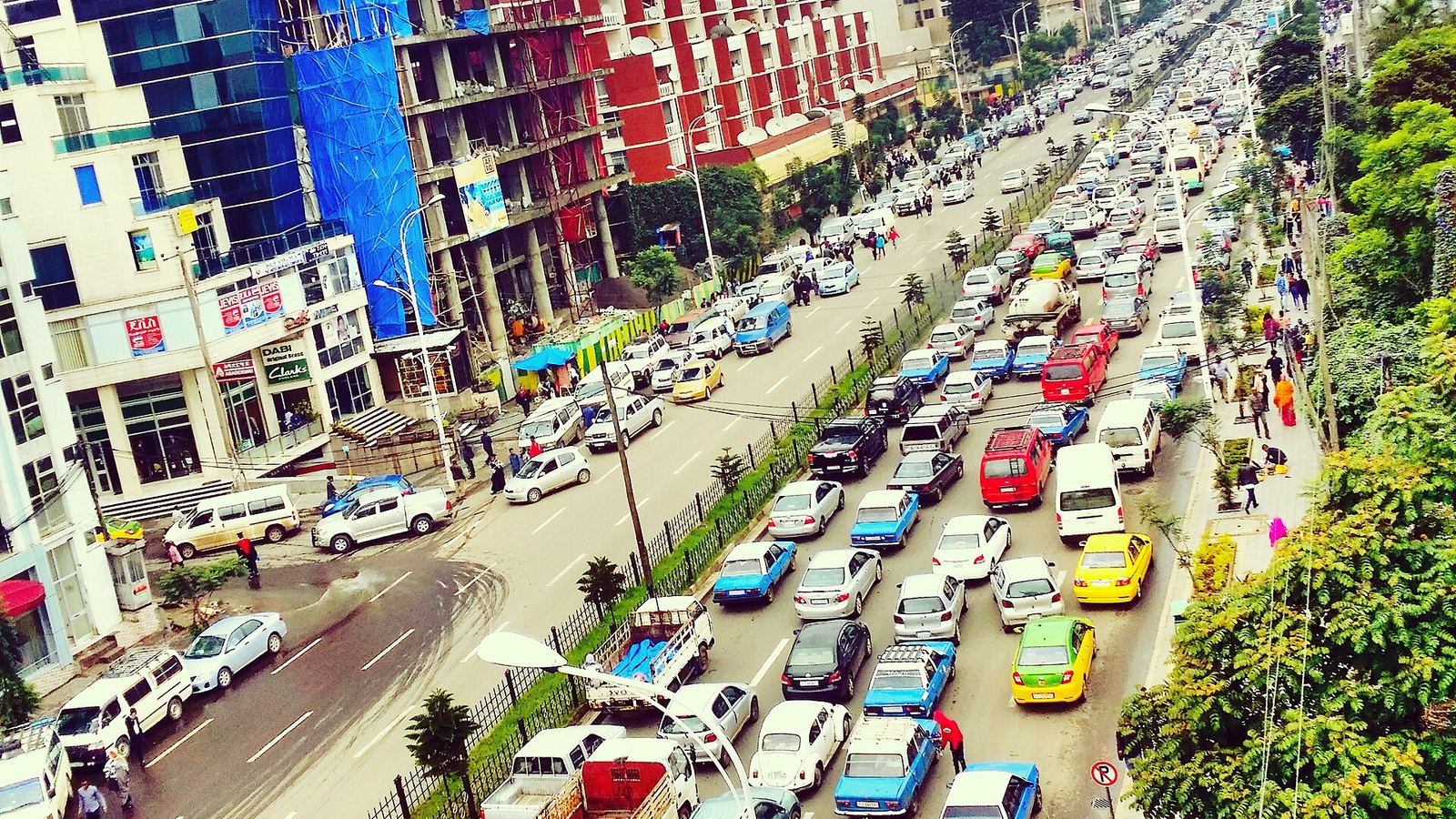
The first thing visitors notice is the blue-and-white minibus taxis. They stop anywhere, they pull out without looking, and they are also how most of the city gets to work, so make peace with them. Leave a car length, expect the unexpected and do not take it personally. Horns are used as a short greeting ("I am here") rather than as an insult.
Roundabouts are common. Traffic already in the roundabout has priority, in theory; in practice, whoever is more committed goes first, so enter decisively but slowly. Lane markings are suggestions on the older roads, and strict on the new corridors, where cameras and traffic police enforce lane discipline, bus lanes and turning restrictions.
The new corridors
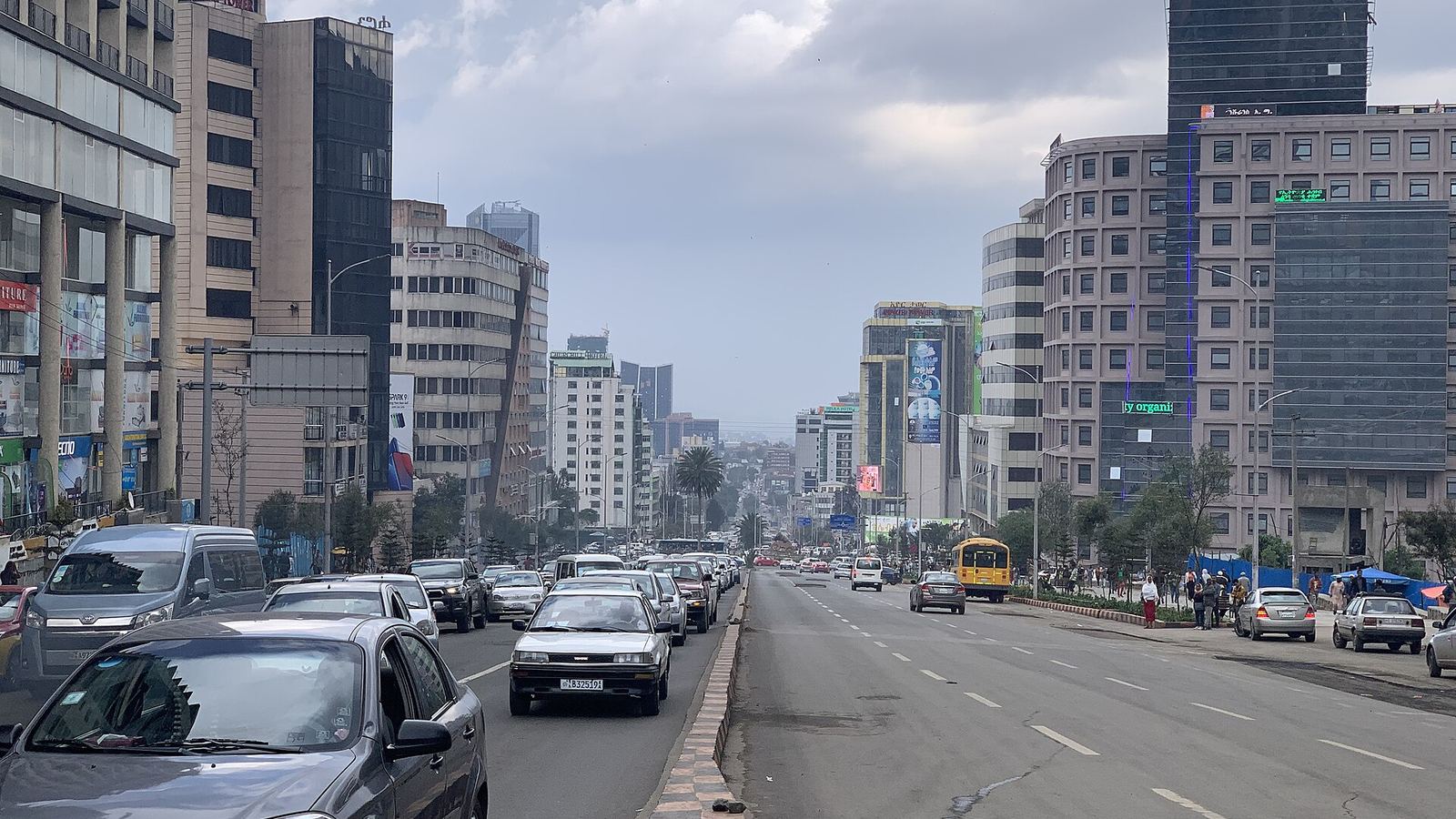
Since 2024 the city has rebuilt dozens of kilometres of main roads: Bole Road, Churchill Avenue, the Piassa to Arat Kilo stretch, Megenagna to CMC and many more. For drivers this means smoother tarmac, clearer signage and, importantly, new rules: some roads are now one-way, left turns have been removed at many junctions in favour of U-turns further along, and parking on the main carriageway is gone. Map apps have mostly caught up, but if a street looks different from your map, trust the signs and the police, not the phone. The city hosted more than 220 international conferences in the last fiscal year, so expect occasional road closures around the African Union and the UN compound.
On the new roads the easiest way to get a fine is a left turn that no longer exists. Go past, take the U-turn, and arrive two minutes later and fifty dollars richer.
A1 Car Rental team
Roads and surprises
Main roads are paved and good. Side streets can be cobbled or unpaved, with deep drainage channels and speed bumps that are not always marked. Pedestrians, donkeys, carts and goats share the road outside the centre, especially at dusk, so slow down when the light goes. Heavy rain (June to September) floods some underpasses for an hour or two: wait rather than wade.
Fuel and charging
Petrol and diesel stations are everywhere in the city but can run short for a day or two around price changes; fill up when you see a short queue rather than waiting for empty. Pay in cash or with Telebirr; cards are rarely accepted at the pump. Electric cars charge at home, at hotels and at a growing number of public fast chargers. See our electric car article for details.
Parking
Street parking is managed by attendants in orange or yellow vests who issue a small ticket; pay them when you leave (a few birr per hour, more in Bole). Malls and hotels have guarded car parks. On the corridors, parking has moved off the main road into side streets and new car parks; the signs are in Amharic and English. Never leave valuables visible.
Police checks and accidents
Traffic police stand at major junctions and run checkpoints at night. Slow down, lower the window, hand over the documents and be patient; it takes a minute. If you have an accident, keep everyone safe, call us on +251 92 116 3852, and do not move the car until the traffic police have attended, because the insurer requires a police report. Our driver or office will talk you through it.
Night driving
Inside the city, night driving is fine on the main roads, which are now well lit. Outside the city it is a different story: no lighting, animals, trucks without lights, and no help nearby. Our rental terms discourage night driving outside Addis, and we mean it.
Should you drive yourself?
If you have driven in Cairo, Lagos, Nairobi or Naples, you will be fine after a day. If your experience is quiet suburbs and motorways, take a driver for the first day or two, watch how it works, and switch to self-drive once you have a feel for it. Many of our customers do exactly that.
Frequently asked questions
Can tourists drive in Ethiopia with a foreign licence?
Yes, for short visits. An International Driving Permit alongside your home licence is strongly recommended.
Which side of the road does Ethiopia drive on?
The right, like continental Europe and the United States.
Is it safe to drive in Addis Ababa?
In daylight, on the main roads, yes, if you drive defensively and calmly. Avoid night driving outside the city.
Sources and further reading
- Addis Ababa City Administration, Corridor Development Project, phases one and two (2024 to 2026).
- Addis Ababa Tourism Commission, annual performance review, July 2026 (international conferences hosted).
- Capital Ethiopia, fuel price adjustments, March and April 2026.
- A1 Car Rental, Rental terms and Renting a car in Addis Ababa.